We believe the strategy is in compliance with what we (and most important literature) know about mobile web and mobile apps. Here’s a non-exhaustive list of important facts for mobile projects:
mobile web or mobile apps need to load quickly (even with 3G and UMTS).
the mobile web is not a mirror of the website
automatically present the mobile website when mobile devices is detected
the mobile web is used to find contact coördinates, product information and news
for mobile apps one needs to reflect on the different OS: iOS, BlackBerry, Symbian, Android, …
For more details on this particular subject, please go through the slide show below.
Google is without a doubt one of today’s global brands. What’s remarkable, it gained that position without deploying branding techniques previously known as effective. If one compares the manner by which the Google brand grew to the strategy used by brand institutes like P&G or Unilever, one might believe a new phase arrived.
1. Google & adverts
Marketing used to follow this logic: manufacture with the lowest cost and spend money on adverts. This will do the trick. Google (almost) used no adverts (as far as we know). They relied on “viral” and pr to build the brand. Funny aspect: ads are Google’s main source of revenue.
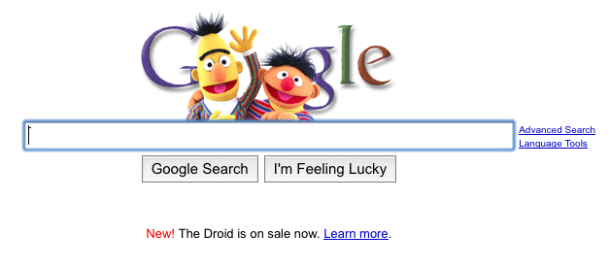
Google logo - bert&ernie style
2. Branding: corporate design, corporate identity
It used to be important to have a consistent display of the corporate design / identity. To simplify: the logo has to look always and everywhere the same. Google plays with its logo – expressing change and hence its identity (?). Equally striking are the options to customize your homepage (e.g. by modifying the background). What’s more the corporation itself encourages users to personalize their homepage: have a look at the movie below.
3. Product extensions and sub-branding
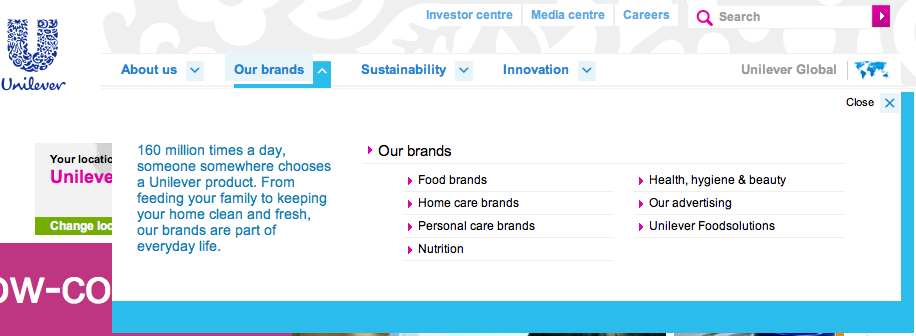
Strategy deployed by the big brand institutes was in fact one of “sub-branding”. Every product was conceived as a separate brand. An element that could explain the power of the brand Google is the fact that nothing is in fact sub-branded. Google is actively creating product extensions that all become an part of the brand google (e.g.: Google Mail to Google Maps) to ensure that it can grow beyond search. Other corporations such as Unilever choose to build a brand for each product, ending up with a big portfolio of different brand names.
Unilever branding techniques: sub-branding
Does this introduce a new stage in brand building?
Does this make the profession of brand management totally different?
I like the latest adverts (see images below) of the saw manufacturer Stihl because they are based on strong copy. The importance of strong copy cannot be underestimated.
Importance of strong copy for adverts: I came, I sawed and I won (J.Caesar)
Importance of strong copy for adverts: No half work (with characters sawn in half))



 Keen on C