Beyond employer branding. People are the brand.

Did you ever took time to investigate the right column of this blog? It has some widgets. And one of them suggests that I’m a member of Stima, more particularly a member of the expert group internal branding / employer branding. Regardless of the fact that I’m lucky to participate in the group, I feel like making some specific remarks about employer branding and branding in general. In my humble view employer branding is branding. Brands are people offering a product or a service. Bottom line? What we call employer branding today is in fact genuine branding as marketers always intended it. Employer branding is the future. But the future is now.
Branding

Branding

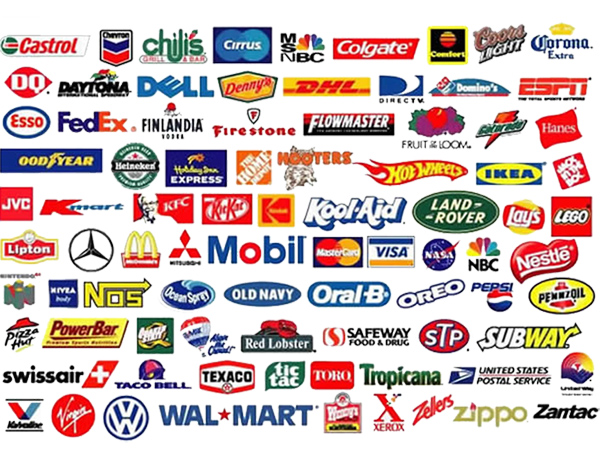
Branding: a logo, some colours and …

Have a look at the adjacent image and ask yourself the question what exactly is it that makes or breaks a brand?
Is it a logo with some colours?
Is a corporate identity or brand identity merely a design aspect?
Do corporate identity and corporate design merely indicate the same thing?
Or is their something more at stake?

I believe there’s something more to tell about it. To start with, let’s have a look at what exactly is employer branding.

What is employer branding?

Just as you have a brand position within consumer’s mind, there’s a brand position within the minds of employees and potential co-workers. Employer branding is branding like corporate branding. It’s more than advertisement, recruitment and retention. Employer Branding is a mindset. It’s the development of a culture. It’s about making choices and communicating them consistently.

Employer branding management however – and this is the big clue – is all about the interaction of the external employer brand and the internal job preview. Employer branding is the result of the value proposition and the employee experience. It’s about managing expectations. Exceed employee expectations, make them feel proud and encourage them to share that happiness with the world. Result? The external brand as created by marketing communication claims is reshaped.

Employer branding, positive conversations and the external brand

The goal is to manage your people in such a way that employees become engaged and proud, resulting in positive online conversations about their job and brand. Those conversations are consequently picked up by potential co-workers who are eager to work for such a great company. On the other hand, current employees are happy to stay in this amazing tribe / community. But next to that, it drastically impacts the external brand.

How employer branding impacts external branding?

A brand isn’t build in a day. So it must be something more than a logo and/or colours associated to a name. Branding is not something companies and brands fully control. The brand is in fact an association of elements in the heads of the consumers. You can’t control their brain and their thinking (you could do that more easily in the past).

The brand as such is constituted along all interactions occurring with the brand on several touch-points. One of today’s hottest touch-points are the so-called social media. And it’s exactly through those social media outlets that employees co-create the external brand identity. As a result, employer branding becomes increasingly important for the shaping the brand soul.

What’s even more, your corporate brand is your employer brand in the long run. Just think about the transparent, open world we’re living in. Add to that the inflow of Gen Y profiles into companies, and you’re there.

Companies with a negative culture are immediately picked up through e.g. social media expressions by current employees, customers, etc.. This heavily defines brand perception. You better make sure that this “employer brand” or culture matches the external brand created by marketing communication.

Business silos collapsing

Business silos collapsing

Bye Silos. HR & Marketing collaboration.

Sure, employer branding is pretty close to the HR domain. But employer branding looks at HR as Human Relations, not as Human Resources. Yes, the most important word in HR is Human, not resources. Let’s bring back human in business. The social tools are already there. And yes again, the most important word in social media is social, not media.

Overlooking all the above, it’s clear that we should integrate the external (corporate) brand with the internal (employer) brand. Bye silos. HR and Marketing have to collaborate to reach higher mutual goals.


Why you better Cut the Crap: Service is the Old & New Gold.

Service is the new gold.

Service is the new gold. (credits: boomerang cards).

I agree. It’s been way too long since I pressed down another story here. Not without a reason though. I’ve been crazy busy visiting companies from about eight industries to perform in-depth interviews about their business and their future. It has been a wonderful experience so far. And it shouldn’t come as a surprise that I generated tons of insights from this qualitative market research period. I want to share my main insight today:
“Cut the crap and stop pushing it on to people. Be real, bring value, show respect and be helpful to every customer. In brief: stop screaming, start whispering.”

Service is the Old and New Gold.

Loads of consumers became disappointed in companies, products and services. As a result, corporations and organizations are sometimes seen as “evil”. I believe this is the result of what I call “the old marketing”. Most brands and organizations still rely on 20th century marketing principles: manufacture something against the lowest cost possible and consequently pay much money for advertising to create a positive image so that consumers buy your product. The only thing that matters is short-term profit, not a long-term sustainable contribution to society. I’ve always revolted against these types of companies. They are indeed “no good”. They don’t contribute to a positive society and consequently a better world. They do not “serve” their customers through good products, honest communication and real value.

Service is Gold.

Service is Gold.

That marketing-enforced image however has always been put in perspective by the customers themselves by sharing their experiences: word of mouth. And what’s even more, word of mouth has always been the most trusted source of product or service information. Unfortunately it had little to no big scale leverage so that “evil” corporations could live happily ever after. So, if one customer was dissatisfied by the service he told it to about 20 people and didn’t rely on the company in the future any more. But for the company, that was not really a problem. The customers that decided to leave were replaced by new customers who bought the marketing story.

I truly believe (and hope) the days of “high churn because we produce crap is solved by acquisition campaigns” are over as social peer-to-peer technologies became mainstream and leverage Word of Mouth on a huge scale.

What is Service? Think long-term reputation vs. short-term profit.

If one states that service is key, he needs to define what exactly is service. Based on my interviews, I’d say service is about small things, but things that can make someone’s day and stick in their memory. It’s about going the extra mile, about doing something you actually didn’t have to do. It’s about the goal to serve in order the make life (or businesses) easier and better. It’s the social aspect, it’s the human touch. It’s not about social media. Those only give large-scale opportunities to foster on this service behavior.

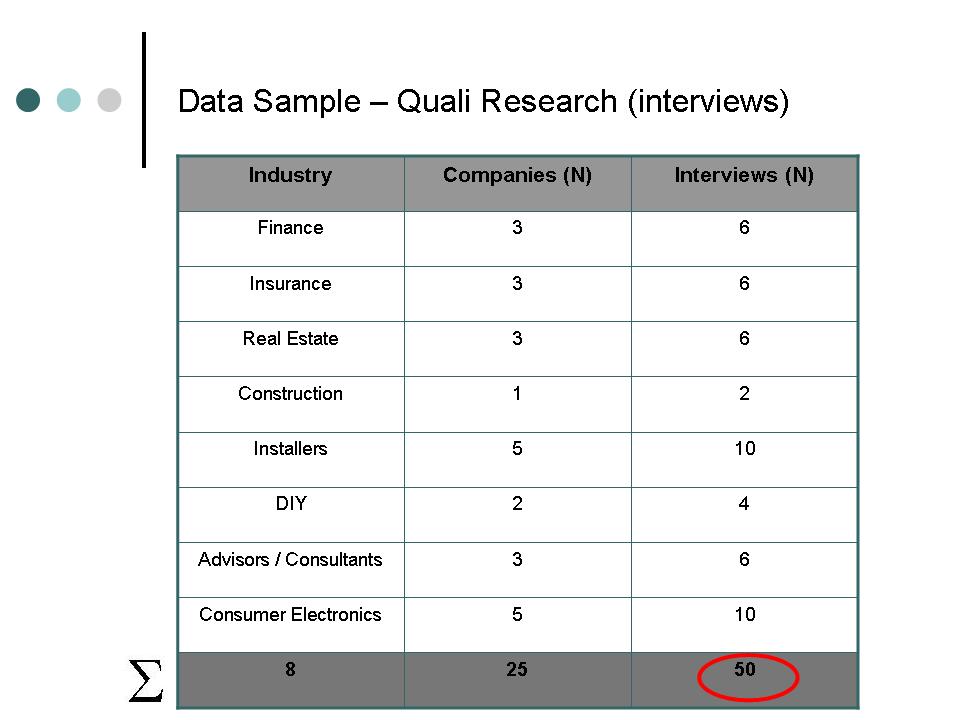
Research details

As stated above and in the introduction, the above isn’t just a gut feeling. It’s inspired by real-life (analog) talks with leading people within several industries. Below is a small overview of my data sample. Please allow me to just recycle one of the original research presentation slides. It’s important to realize that within this sample some of the companies were active on social media – which was the drive to act more service-wise – and others who were completely inactive on social but have always put the customer in the center of its existence.

Quali Research Data Sample

Quali Research Data Sample

Google Plus has a Secret Crush on Google Ads.

+1 an advert - Google Plus meets Google Advertising

+1 an advert - Google Plus meets Google Advertising

I recently ran up to this banner from a Belgian energy provider. I am a bit puzzled.

Is it a good thing to give a commercial message value? Does this positively relates to the Google mission?

to organize the world’s information and make it universally accessible and useful.

Impact of +1 a Google Ad?

The +1 is sign to Google that you like that particular piece of information. Content that receives lots of plusses appear higher in search rankings.

Is the ability to +1 an ad a tool for Google to further improve their ad targeting practices?
How do you feel about the ability to +1 an advert?